Sri Lanka Cannot Afford To Overlook Growing Threat Of Transnational Terrorism: Report

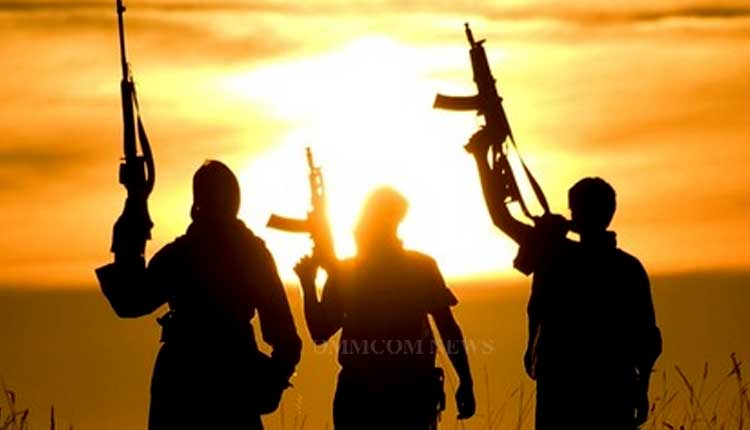
Colombo: Sri Lanka cannot afford to overlook increasing threat of transnational terrorism with terrorist organisations in South Asia remaining ideologically aligned, sharing targets and enemies, a report has highlighted while emphasising that the 2019 Easter Sunday attacks indicated that terrorism is not a domestic but global challenge with local networks exploited by terrorist groups like Lashkar-e-Taiba (LeT) and Hamas.
“Terrorist organisations in South Asia remain ideologically aligned, sharing targets and enemies. Sri Lanka, too, has come under their gaze, most tragically during the ISIS-backed Easter Sunday bombings of 2019. This raises a pressing question: how will Sri Lanka confront the menace of transnational jihadist terrorism? The government’s proposal to introduce a draft Protection of State from Terrorism Act (PSTA) has ignited fierce debate,” Lankan analyst A Jathindra, head of Trinco Centre for Strategic Studies (TSST), wrote in Eurasia Review.
The existing Prevention of Terrorism Act (PTA) has remained in effect in Sri Lanka for 45 years. However, it has long been criticised as draconian domestically and internationally. Sri Lanka’s then-President J R Jayewardene had introduced PTA as a temporary measure during the civil war in 1979, however, it was later made permanent. The PTA was justified during the conflict with the LTTE, however, questions have been raised about its relevance after the group’s defeat in 2009, particularly by Tamil political parties and civil society groups.
International community, especially the European Union, has urged Sri Lanka to reform its anti-terrorism laws in line with international human rights standards, warning that failure to do so could undermine continued access to the European market through GSP+ trade preferences. In 2021, the European Parliament approved a resolution voicing serious concern at the deterioration of human rights on the island and criticised Sri Lanka’s continued dependence on the draconian PTA.
Since the end of the civil war, successive governments have not been able to honour commitments made to the EU. The Sirisena administration had committed to repeal the law in 2015 and had even drafted a replacement bill. However, the administration did not succeed in it after the decision was challenged in the Supreme Court. According to the report in Eurasia Review, the ruling National People’s Power (NPP) government has announced its intention to abolish “all oppressive acts”, including the Prevention of Terrorism Act (PTA) and ensure civil rights of people in all parts of the country.
“The reality is clear: Sri Lanka cannot afford to overlook the growing threat of transnational terrorism. At the same time, the Prevention of Terrorism Act (PTA) has faced longstanding criticism for constraining civil society space and, at times, being perceived as a tool for political misuse. Tamil parties and civil society groups in the north continue to call for its outright repeal, arguing that existing laws are sufficient to address terrorism. Yet, in light of escalating transnational threats across South Asia and complex geopolitical dynamics, the importance of a specialized legal framework cannot be dismissed. The challenge, therefore, lies in crafting legislation that both safeguards national security and upholds the principles of justice and equality,” wrote Jathindra.
The PTA faces criticism over its inability to clearly define terrorism. This uncertainty has left the law vulnerable to misuse and weakened its credibility domestically and internationally. Through the new proposal, Sri Lankan government seeks to address this gap by drawing established international precedents. By aligning with these international standards, Sri Lanka’s new proposal showcases progress. Sri Lanka now needs to ensure that definitions are applied fairly, without discrimination or political misuse, leading to law bolstering national security while upholding democratic values.
“Sri Lanka cannot afford complacency in an era of transnational terrorist threats. The Easter Sunday attacks proved that terrorism here is not just a domestic challenge — it is global, with local networks exploited by movements from Lashkar-e-Taiba to Hamas. This reality underscores the geopolitical dimension of terrorism: extremist groups thrive on regional fault lines, porous borders, and imported ideologies,” Jathindra reckoned.
(IANS)