

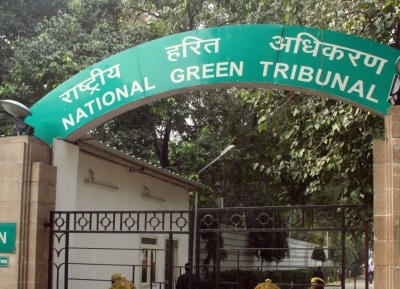
New Delhi, Dec 25: The National Green Tribunal (NGT) has reserved its order in a suo motu case concerning the sharp decline of indigenous fish species and the growing dominance of invasive foreign fish in the Yamuna river.
After hearing final arguments from all sides, a Bench of Chairperson Justice Prakash Shrivastava and Expert Member Dr A. Senthil Vel reserved the matter for orders.
The suo motu case stemmed from a May 2024 news report, highlighting the findings of a scientific survey that recorded 126 fish species in the Yamuna, revealing a decline in native Indian species and an increase in exotic fish.
In its survey, the Central Inland Fisheries Research Institute (CIFRI), Prayagraj, found that pollution, altered river flow, and habitat degradation have severely impacted fish diversity.
CIFRI’s study revealed that while the Yamuna supports 126 species across its stretch, the lowest species richness was recorded at ITO in Delhi, described as “the most polluted” site, where dissolved oxygen levels and water flow were nearly zero or below detectable levels.
The study showed a significant decline in iconic native species. Mahseer, once contributing around 9 per cent of the catch in the late 1990s, now accounts for barely 1.7 per cent.
Indian Major Carps, which dominated catches in the 1960s and 1970s, have also seen a steep fall across Delhi, Mathura, and Agra stretches. Hilsa fishery, the report said, has been “totally wiped out from the riverine stretch since 2010”.
In contrast, exotic species such as common carp, Nile tilapia and Thai Mangur were found to dominate large stretches of the river. Nile tilapia alone accounted for over 80 per cent of the catch in Delhi, Agra and Mathura during certain periods, with CIFRI attributing its success to high pollution tolerance and rapid reproduction.
In an earlier hearing, the NGT had also expressed dissatisfaction with the responses filed by authorities, observing that replies lacked “effective measures that can be taken to remediate the problem”.
The green tribunal had also taken note of a separate report by the Central Pollution Control Board (CPCB), which flagged that several stretches of the Yamuna failed to meet water quality criteria even for the propagation of wildlife and fisheries.
CPCB data showed non-compliance on parameters such as dissolved oxygen, biochemical oxygen demand and total coliform at multiple locations in Haryana, Delhi and Uttar Pradesh.
CIFRI, in its suggestions to the NGT, had recommended strict regulation of illegal fishing gear, strategic ranching of native species, a ban on ritual release of exotic fish, improved public awareness, maintenance of environmental flows below barrages, and urgent action against industrial and organic pollution.
IANS