
Gulf Crisis: GAIL Halts Gas Supply To Yelahanka Power Plant; Generation May Be Hit

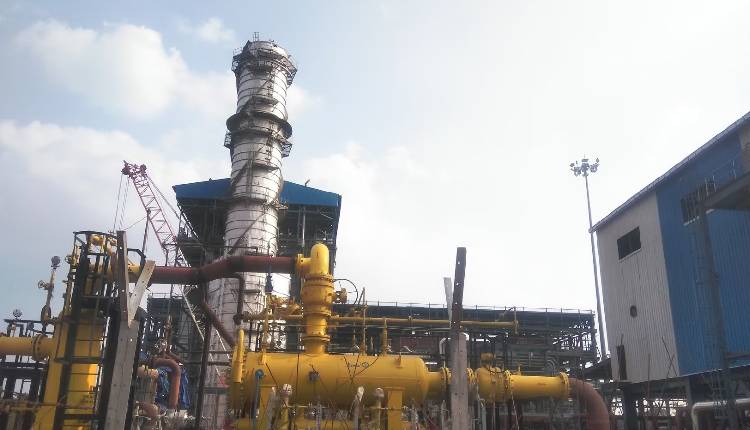
Bengaluru: The Gas Authority of India Limited (GAIL) has completely stopped gas supply to the Yelahanka gas-based power plant in Bengaluru since March 12 at 6 AM, the officials in the Energy Ministry confirmed on Thursday. The 370 Mega Watt Yelahanka plant, set up by Karnataka Power Corporation Limited (KPCL), is the State’s only gas-based power generation facility, and any disruption in gas supply could affect its output, they stated.
The Yelahanka gas-based unit, which was set up primarily to supply electricity to Bengaluru, has been operating continuously since December last year. However, the natural gas shortage triggered by the West Asia conflict may affect power production at the plant, the officials stated.
The officials further stated, power generation in Karnataka may be disrupted due to reduced natural gas supply, following the Central government’s decision to prioritise other sectors amid nationwide shortages caused by the West Asia Israel-Iran conflict.
With LPG supplies across the country disrupted due to the West Asia conflict, the Centre on Tuesday issued a gazette notification prioritising natural gas allocation, placing domestic consumption at the top of the list. Sectors such as transport and fertiliser have been given the next level of priority, while power generation has been placed at the lowest priority.
To ensure uninterrupted electricity supply during peak demand, the State government has been generating power from all available sources, they stated.
Karnataka’s daily electricity demand currently stands at around 355 million units, which is being met through a mix of thermal and hydel power plants, solar and wind energy, and power drawn from the Central grid. The State is also meeting part of its demand through power exchange arrangements with Punjab, Uttar Pradesh and Haryana. However, further curtailment of gas supply to the Yelahanka plant could lead to minor disruptions in power supply, the officials stated.
Invoking powers under the Natural Gas (Supply Regulation) Order, 2026 issued under the Essential Commodities Act, 1955, the Centre has notified priority sectors for the allocation of natural gas to address the current LPG shortage.
Top priority has been given to domestic Piped Natural Gas (PNG), LPG production, CNG used for transport, and essential pipeline operations, which must receive 100 per cent of their average gas consumption over the past six months.
Fertiliser plants have been placed in the second priority category and will receive around 70 per cent of their average gas consumption during the same period.
Industrial and commercial consumers, including tea manufacturers, fall under the third priority category, while City Gas Distribution companies supplying gas to industrial and commercial users have been placed in the fourth priority category. These sectors will receive 80 per cent of their average gas consumption over the past six months.
Since power generation has been placed in the lowest priority category, gas supply to this sector is likely to remain restricted until the natural gas shortage eases.
(IANS)