Gujarat Revises ‘Gaumata Poshan Yojana’ Rules To Include More Cattle Shelters

Gandhinagar: The Gujarat government has expanded the scope of the ‘Mukhyamantri Gaumata Poshan Yojana’ by extending the registration deadline for cow shelters and animal shelters, a move expected to bring more shelters under the state’s financial assistance scheme.
Chief Minister Bhupendra Patel approved a revision to the eligibility rules so that all cow and animal shelters registered under the Public Trust Act by December 31, 2025, will qualify for assistance from the 2026–27 financial year.
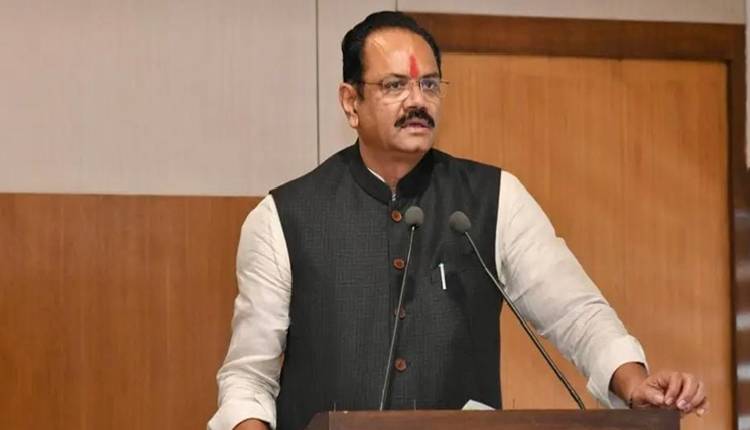
State Animal Husbandry Minister Jitu Vaghani said the change was made in response to representations from several institutions that were previously ineligible under the earlier cut-off date.
“The eligibility conditions under the Mukhyamantri Gaumata Poshan Yojana have been significantly revised so that more cow and animal shelters in the state can be brought within the ambit of the scheme,” he said.
The scheme, which provides financial assistance of Rs 30 per animal per day for the upkeep of cattle in recognised shelters, was announced in 2022–23 at Ambaji by Prime Minister Narendra Modi.
According to the state government, between the launch of the scheme in 2022–23 and September 2025, financial assistance amounting to Rs 1,364 crore has been disbursed for the maintenance of more than 4.50 lakh animals housed in over 1,600 institutions across Gujarat.
Under the earlier rules, only institutions registered under the Public Trust Act before March 31, 2022, were eligible for the support.
As a result, those shelters registered after the 2023–24 financial year were unable to receive the benefit.
Vaghani said several organisations had requested the government to reconsider the cut-off date.
“Taking a positive view of these representations, the Chief Minister has decided to extend the trust registration limit so that more cow shelters can become eligible for assistance,” he said.
With the revised provision, any shelter registered under the Public Trust Act by December 31, 2025, will be eligible to receive assistance under the scheme from April 1 this year.
In a separate announcement, the state government also said it would expand natural farming through a cluster-based approach by selecting 500 villages to be developed as “natural farming villages”.
Vaghani said the selected villages would gradually bring a large part of their agricultural land under natural farming practices.
“Farmers in these villages will receive not only advisory support but also training, guidance and technical assistance at the grassroots level,” he said.
The government also plans to simplify certification processes so that produce grown through natural farming can gain recognition at national and international levels.
In addition, the selected clusters will be linked directly with market systems to help farmers secure better prices for chemical-free produce.
Vaghani said adopting natural farming collectively through clusters would reduce transportation, packaging and marketing costs for farmers.
“When farmers work together in clusters instead of individually, they can reduce operational costs and achieve better returns in the market,” he said.
The initiative, he added, is intended to encourage sustainable agricultural practices while ensuring the availability of chemical-free food for consumers.
(IANS)